The Complete Guide to Stone Crushing Plant Layout: 4 Key Stages You Must Know
Release time: 2026-01-21
Setting up a profitable aggregate business starts with understanding the production line. A complete stone crushing plant is not just a collection of machines; it is a systematic process designed to turn large boulders into valuable construction materials.
Whether you are processing granite, limestone, or basalt, the workflow generally follows four critical stages: Primary Crushing, Secondary Crushing, Tertiary Crushing (Sand Making), and Screening.
Here is a breakdown of the essential equipment used in each stage.
Stage 1: Primary Crushing (The Head Crusher)
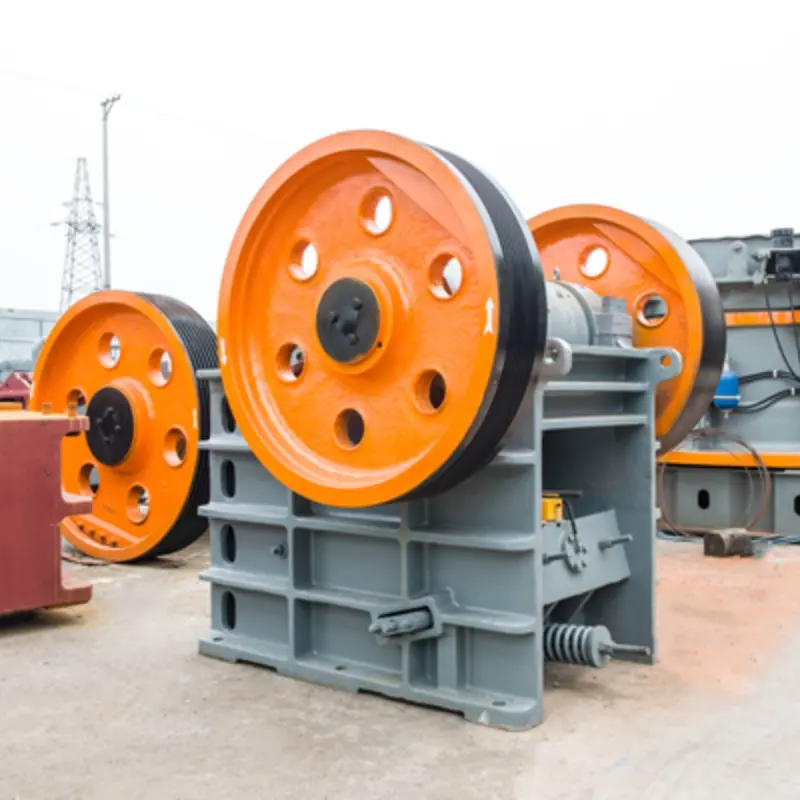
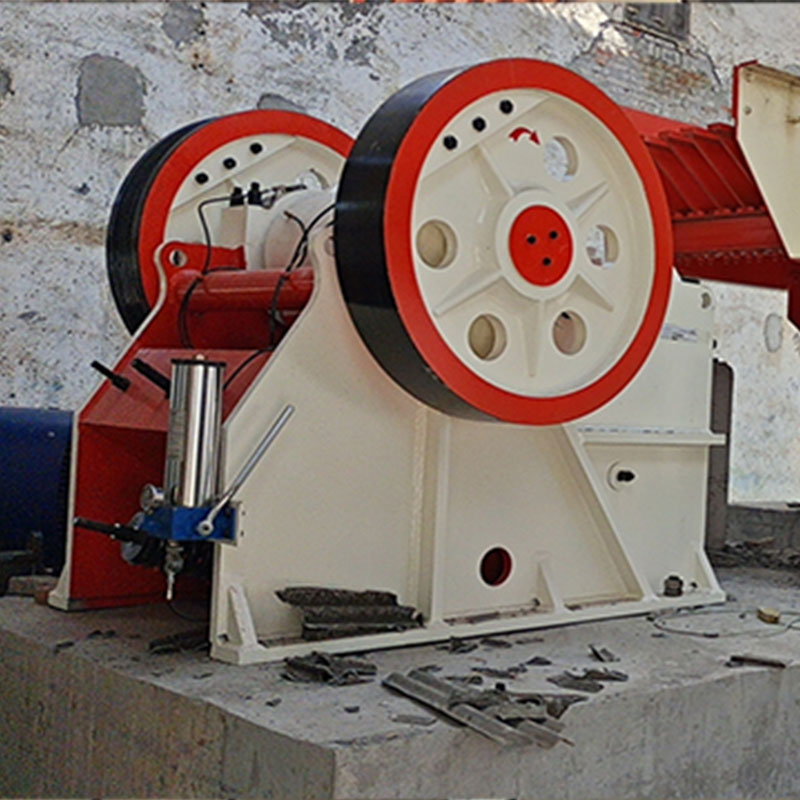
The first step in any crushing circuit is reducing raw, blasted rock into a manageable size. For this tough job, the Jaw Crusher is the undisputed king.
Why Choose a Jaw Crusher?
Known as the “tiger’s mouth,” the Jaw Crusher uses a compressive force to break hard rocks. It is designed with a deep crushing cavity and a heavy-duty toggle plate, making it ideal for:
Handling large feed sizes (up to 1000mm+).
Processing high-hardness materials like granite and basalt.
Acting as the foundation of the entire production line.
Pro Tip: For maximum efficiency, ensure your [Link: Jaw Crusher] is fed consistently to prevent wear on the jaw plates.
Stage 2: Secondary Crushing (Shaping & Sizing)
Once the material leaves the primary stage, it needs to be refined. The choice of equipment here depends entirely on the hardness of your stone.
Option A: Impact Crusher (For Medium-Hard Stone)
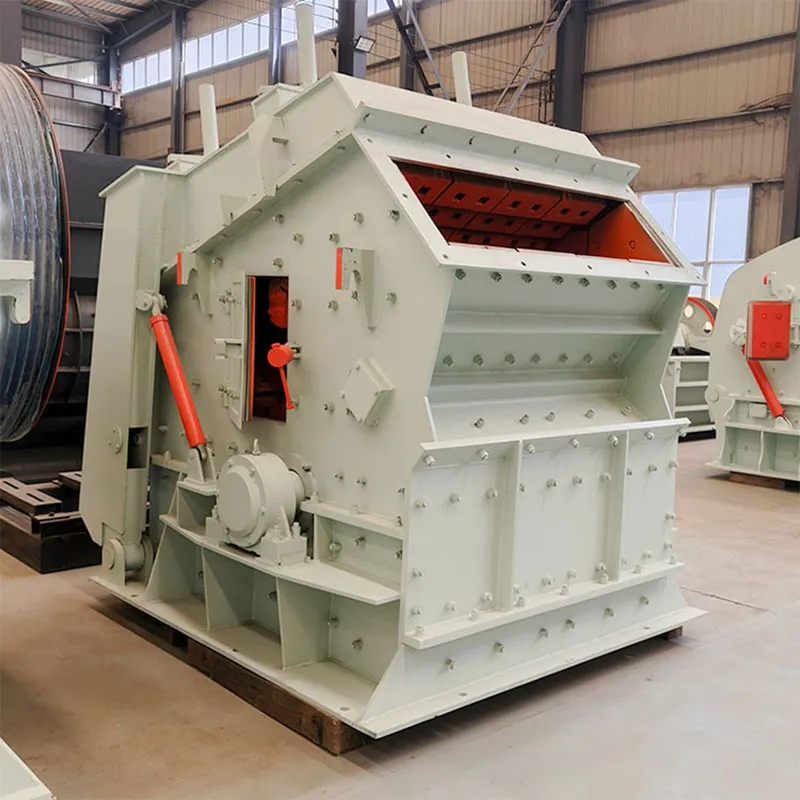
The Impact Crusher (often referred to as HSI) is the go-to choice for medium-hardness materials like limestone or concrete waste. Unlike the squeezing action of a jaw crusher, the Impact Crusher uses high-speed blow bars to strike the stone.
Benefit: It produces a superior cubic particle shape, which is preferred for highway and concrete construction.
Option B: Hammer Crusher (For Soft Stone)
For softer, non-abrasive materials like coal or gypsum, the Hammer Crusher offers a unique advantage: it can sometimes combine primary and secondary crushing into one step. This “one-time shaping” capability significantly reduces initial investment costs.
Stage 3: Tertiary Crushing (Sand Making)
With the rising demand for artificial sand, the tertiary stage has become crucial. This is where the VSI Crusher (Vertical Shaft Impact Crusher) comes into play.
Also known as a Sand Making Machine, the VSI uses a “stone-on-stone” crushing principle. High-speed rotors throw rocks against each other, pulverizing them into fine sand.
Application: Producing manufactured sand for high-grade concrete.
Key Feature: It not only crushes but also shapes the aggregate, removing needle-like flakes.
Stage 4: Screening (The Final Separation)
No crushing plant is complete without separation. The Vibrating Screen acts as the quality control checkpoint.
After material passes through the crushers, it is fed onto the Vibrating Screen. Multi-deck screens separate the stones by size:
Oversized stones are sent back to the crusher for re-crushing (Closed Circuit).
Finished products (e.g., 10mm, 20mm, sand) are conveyed to their respective stockpiles.
Conclusion
Building an efficient crushing plant requires the right combination of equipment.
Use a Jaw Crusher for the rough work.
Choose between an Impact Crusher or Hammer Crusher based on rock hardness.
Add a VSI Crusher if you need high-quality sand.
Ensure precise sizing with a robust Vibrating Screen.
Ready to configure your plant? Contact our engineering team today for a customized layout design.